








How Long Do Treadmills Last? Commercial Lifespan, Maintenance & Replacement Strategy
{% module_block module "blog_post_audio" %}{% module_attribute "child_css" is_json="true" %}{% raw %}{}{% endraw %}{% end_module_attribute %}{% module_attribute "css" is_json="true" %}{% raw %}{}{% endraw %}{% end_module_attribute %}{% module_attribute "definition_id" is_json="true" %}{% raw %}null{% endraw %}{% end_module_attribute %}{% module_attribute "field_types" is_json="true" %}{% raw %}{"translations":"group"}{% endraw %}{% end_module_attribute %}{% module_attribute "label" is_json="true" %}{% raw %}null{% endraw %}{% end_module_attribute %}{% module_attribute "module_id" is_json="true" %}{% raw %}149209234245{% endraw %}{% end_module_attribute %}{% module_attribute "path" is_json="true" %}{% raw %}"@hubspot/blog_audio"{% endraw %}{% end_module_attribute %}{% module_attribute "smart_objects" is_json="true" %}{% raw %}[]{% endraw %}{% end_module_attribute %}{% module_attribute "smart_type" is_json="true" %}{% raw %}"NOT_SMART"{% endraw %}{% end_module_attribute %}{% module_attribute "tag" is_json="true" %}{% raw %}"module"{% endraw %}{% end_module_attribute %}{% module_attribute "type" is_json="true" %}{% raw %}"module"{% endraw %}{% end_module_attribute %}{% module_attribute "wrap_field_tag" is_json="true" %}{% raw %}"div"{% endraw %}{% end_module_attribute %}{% end_module_block %}
How long do treadmills last? In most commercial environments, a treadmill typically performs between 7-12 years, but that number only tells part of the story.
A treadmill doesn’t age on a fixed timeline. It lasts longer than expected in some facilities, and fails earlier than planned in others depending entirely on decisions made before it ever reaches the floor.
For gym owners, facility operators, and procurement teams, lifespan isn’t just a matter of years. It’s a reflection of usage volume, machine quality, environment, and the discipline of maintenance behind it. In high-traffic fitness spaces, treadmills don’t simply “wear out”; they accumulate stress, cycle after cycle, until performance begins to shift.
This guide breaks down what actually determines how long treadmills last, and how operators can extend every possible year of value from their equipment investment.
Treadmill Lifespan in Commercial vs Home Settings: Why Environment Matters
How long treadmills last depend less on the machine itself and more on the environment it operates in.1
Lifespan varies significantly by category:
-
Consumer treadmills - 3-5 years under home use, designed for occasional workouts and lighter cumulative load
-
Light commercial treadmills - 5-7 years in hotels or multifamily gyms with moderate daily use
-
Commercial-grade treadmills - 7-10 years in high-traffic facilities, built for continuous, multi-user demand
Each category defines how much stress it is engineered to absorb, not just how long it is expected to sit in place.
In a commercial gym, treadmills are rarely idle. Unlike a home setting where a machine may only run a few hours per week, a facility treadmill can operate 8-14 hours per day across hundreds of users. That difference in duty cycle changes how quickly wear accumulates in its components like the belt, deck, rollers, and motor.
This is why a treadmill lifespan cannot be understood through age alone. A commercial machine can last a decade or more, but only when it is supported by consistent maintenance, appropriate usage conditions, and a design built for cumulative load over time. Ultimately, treadmills don’t wear out on a calendar, they wear out through repetition.
The Five Variables That Actually Determine Treadmill Lifespan
Treadmill lifespan is rarely defined by a single component failure. Every run places stresses across a connected system, the belt, the deck, rollers, motor, and electronics all absorbing and transferring load in different ways. The question is not whether wear and tear happens, but how quickly it compounds based on the conditions that machines operate in.
User Load and Impact Variability
Not all usage is equal.
Treadmills in commercial environments absorb a wide range of user weights, stride patterns, and training intensity. Higher-capacity machines distribute impact more efficiently across the deck and frame, reducing strain on internal components over time.
When equipment is undersized for its user base, the stress concentrates on its components, shortening overall lifespan even if the total usage remains moderate.
Deck Design, Belt Friction, and Mechanical Stress
The deck and belt system determines how efficiently force is absorbed and distributed. Cushioned decks reduce impact stress at the surface, lowering strain on the motor and drive system beneath. In contrast, rigid or worn decks increase friction, forcing the motor and rollers to work harder.
The treadmill belt is often where wear becomes visible first, but it is rarely the root issue. Misalignment, inadequate lubrication, or excessive dust buildup increases friction, which gradually amplifies stress across the entire drivetrain.
Environment and Operating Conditions
Heat, humidity, and airborne dust significantly affect performance and lifespan. Poor ventilation leads to motor overheating, while dust accumulation can clog rollers, vents, and internal electronics. Even small environmental inefficiencies can increase friction and accelerate wear across multiple components at once.
Maintenance Consistency
Of all variables, maintenance has the highest impact on long-term performance.
Regular lubrication, cleaning, alignment checks, and dust removal reduce friction and prevent early-stage wear from compounding. Inconsistent maintenance allows small inefficiencies to build silently until they become system-wide issues. Longevity is not only determined by how a treadmill is built but by how consistently it is maintained under daily operational stress.
What Causes Treadmills to Wear Out Faster?
Premature treadmill wear is rarely caused by a single failure. More often, it comes from operational stress compounding gradually. Common accelerators of wear include:
-
High-traffic usage and continuous daily operation
-
Inconsistent lubrication that increases belt friction and motor strain
-
Dust and debris buildup that can clog rollers, vents, and electronics
-
Poor ventilation that traps heat around motors and internal components
-
Irregular cleaning routines that allow wear and tear to accumulate
Even a premium treadmill can fail early when friction, heat, dust, and maintenance issues are left unmanaged.
Treadmill Lifespan by Facility Type and Usage Demand
Not every treadmill is built for the same operational reality. Lifespan potential depends on how closely a machine’s design matches the environment it serves, from high-performance training floors with continuous daily load to hospitality fitness rooms with lighter daily traffic.
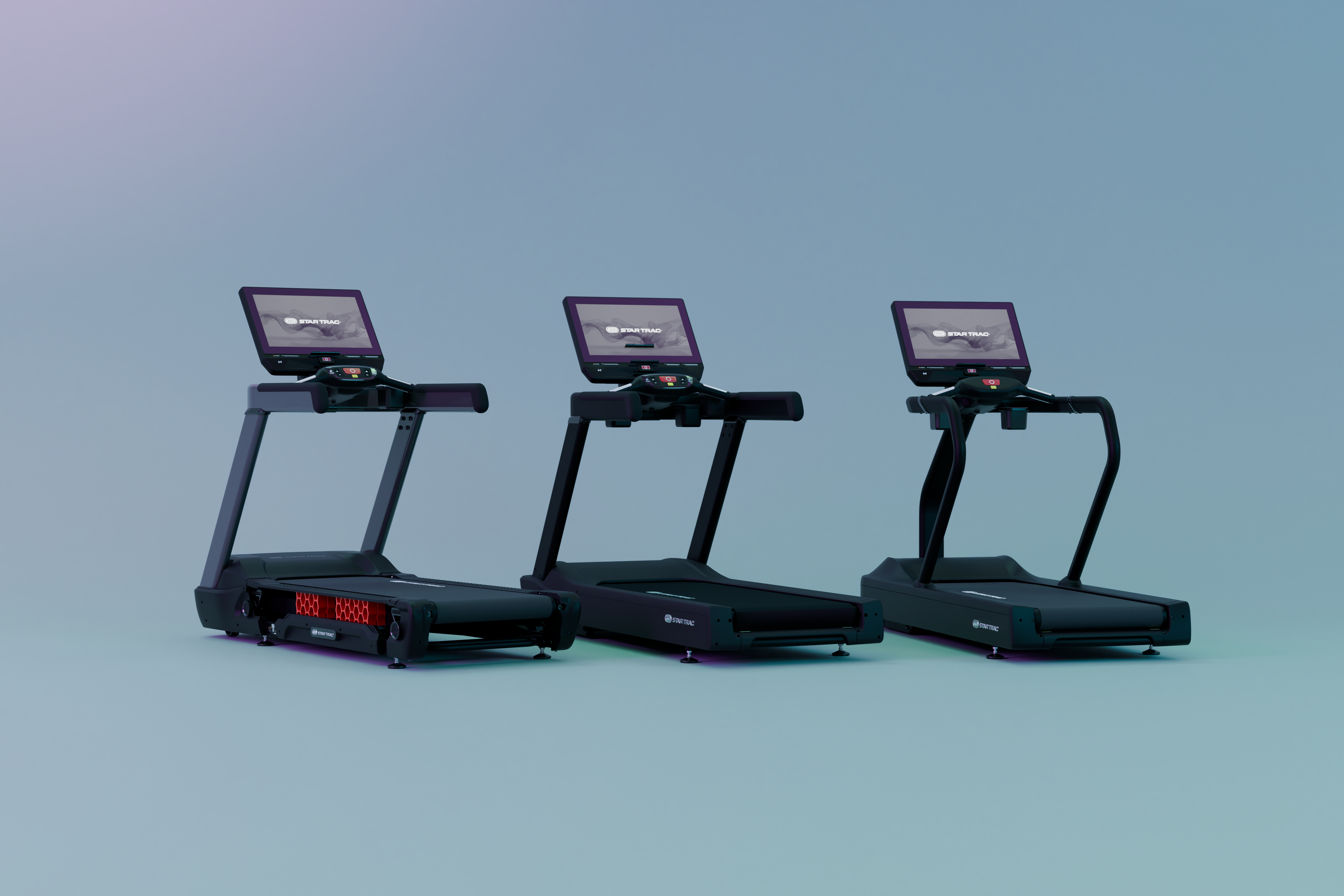
Across the Star Trac lineup, each series is designed around a specific usage profile. These profiles range from light-commercial, full-commercial, and performance-grade environments, where differences in durability requirements, aesthetics, and user demand all influence equipment selection.
The Star Trac 10TRx FreeRunner™
The 10TRx FreeRunner is built for high-frequency, high-intensity training environments where treadmills absorb continuous daily impact from serious runners and performance-focused users.
Engineered for full-commercial use, it is built to handle sustained operational load across peak-hour club traffic and training facilities where equipment utilization is consistently high.
Its patented HexDeck technology offers members a cushioned feel that reduces impact on joints while its shock-absorbing deck adapts and distributes force more efficiently for added comfort. Its design reduces mechanical strain and wear under sustained use, supporting long-term component durability while maintaining a responsive, track-like running experience.
In demanding commercial environments, this balance of performance and mechanical efficiency is critical to sustaining treadmill lifespan under heavy, repeated use.
The Star Trac 8 Series
The 8 Series is designed for broad full-commercial use across fitness clubs that serve varied training styles, fitness levels, and member populations.
Its SoftTrac® deck suspension system offers fitness enthusiasts a joint-friendly running experience that supports overall comfort across continuous daily usage. Combined with intuitive controls and a performance-driven design, the 8 series is engineered to keep workouts engaging while maintaining the consistency operators expect from a high-commercial treadmill.
Built for facilities managing sustained member turnover and continuous treadmill usage, the 8 series is often selected by operators who prioritize full-commercial durability alongside an elevated member experience, safety, and long-term operational reliability.
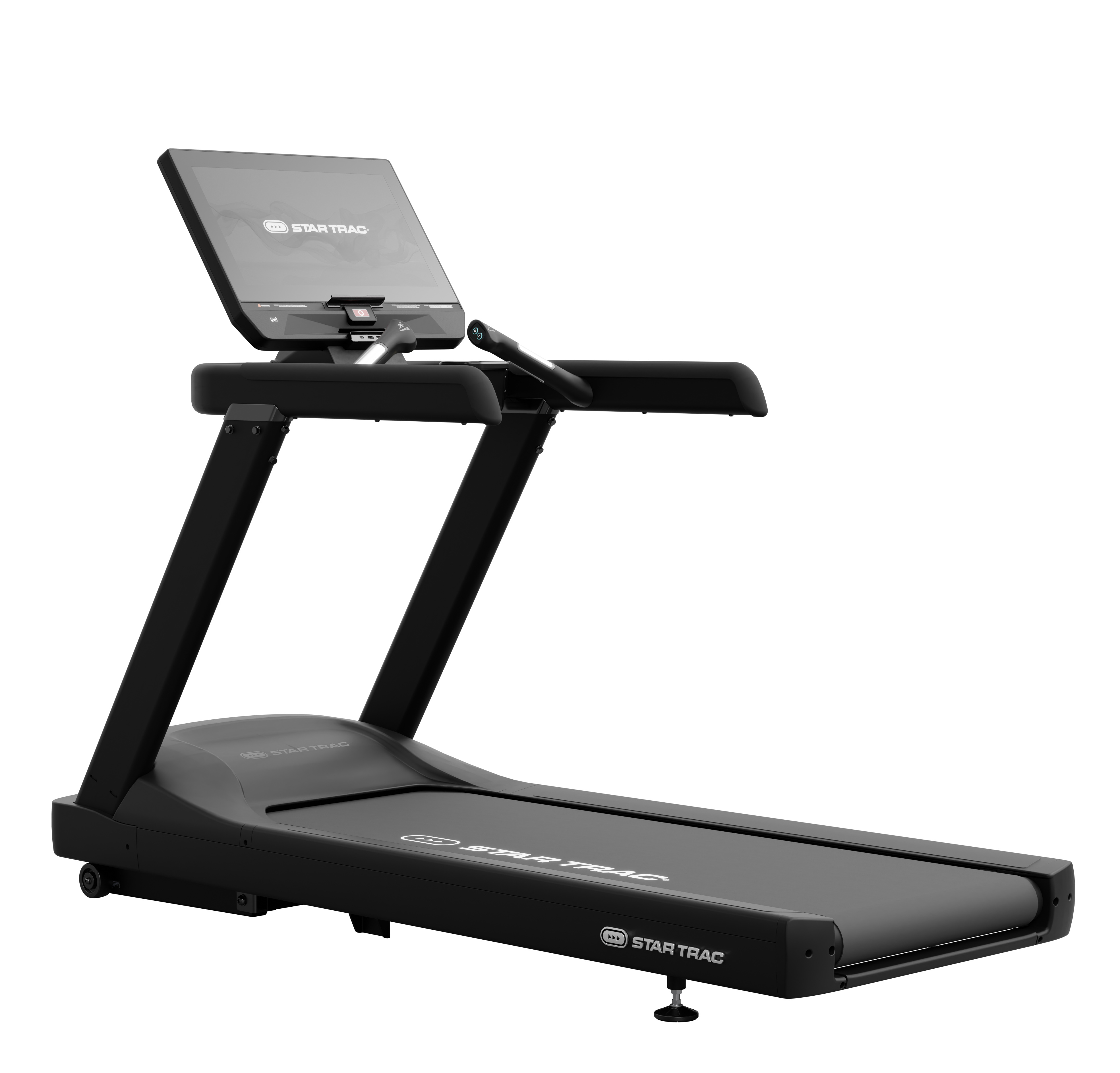
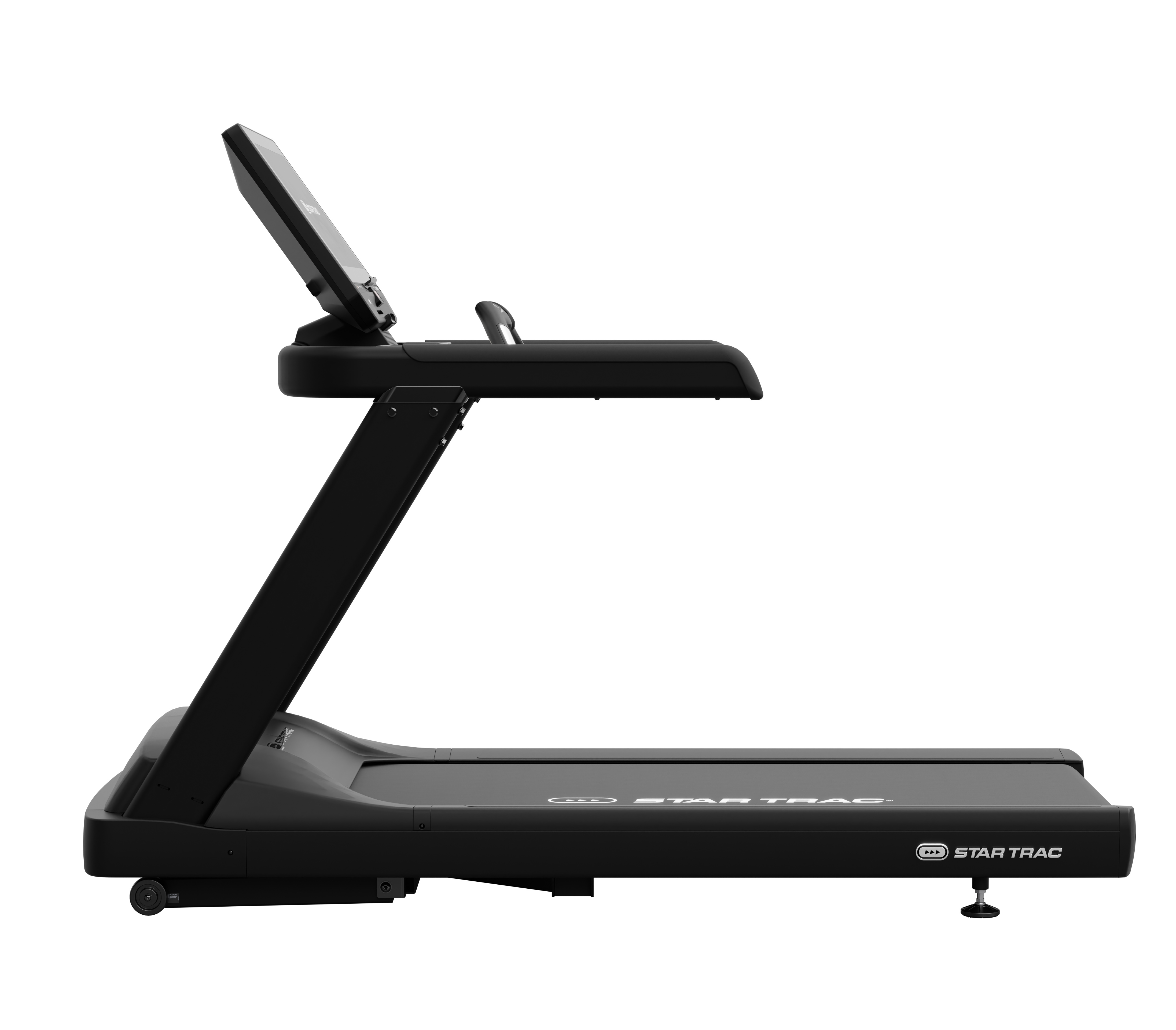
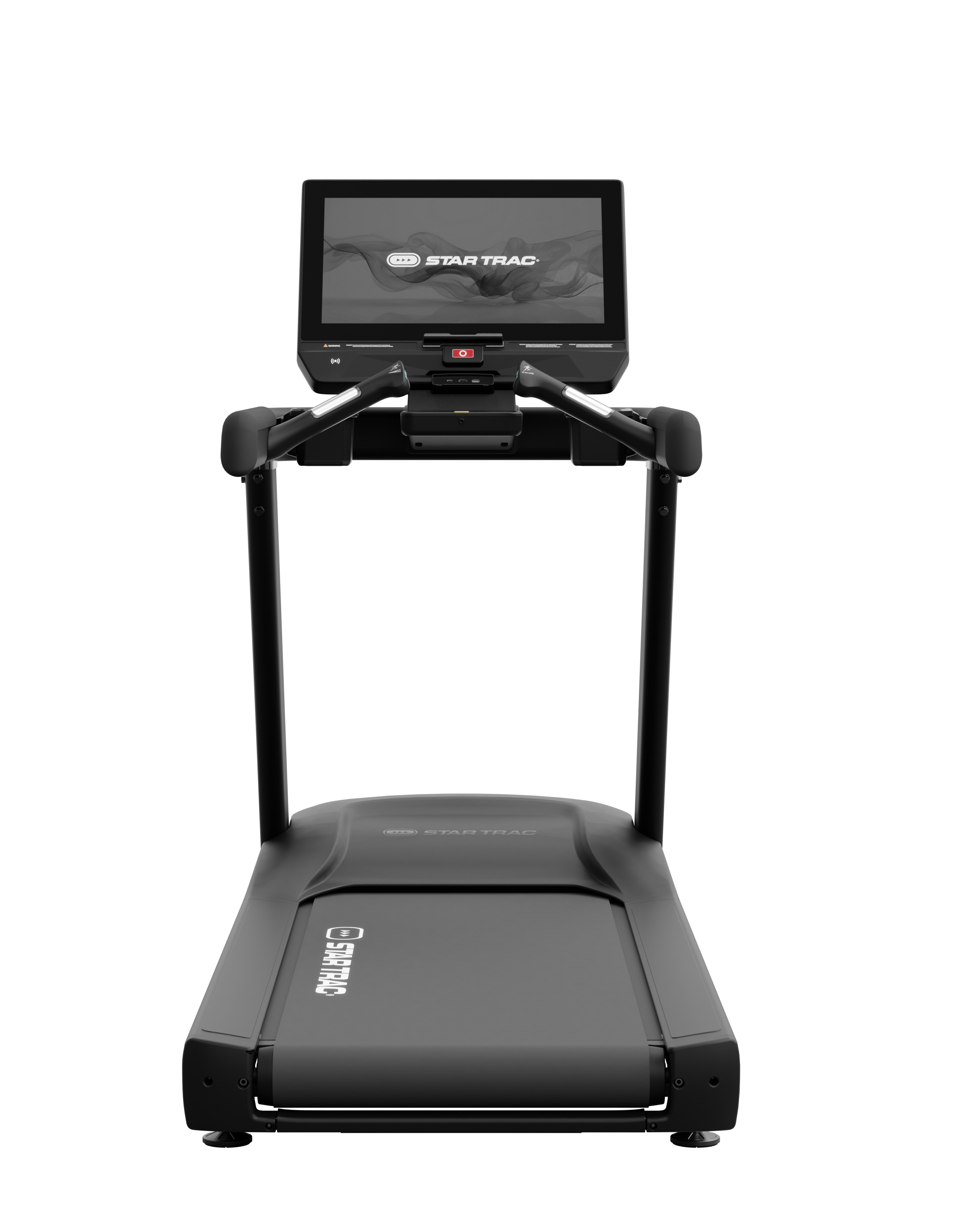
The Star Trac 6 Series
The 6 Series is a versatile treadmill range built for both light-commercial and full-commercial facilities from universities and boutique gyms to hospitality fitness centers and active multifamily communities, where usage is consistent but not as intense as high-volume training clubs.
Its proven AC motor platform and streamlined commercial design support reliable daily operation while the SoftTrac® cushioning system enhances workout comfort and overall user experience. Positioned between light-commercial and full-commercial tiers, the 6 series offers operators a strategic balance of durability, modern connectivity, and long-term value.
The Star Trac 4 Series
The 4 Series is purpose-built for the lighter usage patterns common in hospitality, multifamily, and residential fitness facilities, where daily traffic is lighter than traditional commercial clubs but expectations for reliability remain high.
Designed for durability in space-conscious and often unstaffed settings, the 4 Series supports long operational life through consistent basic maintenance and cleaning routines. In these environments, aligning the treadmill to the correct usage profile becomes one of the most important decisions in fully recovering the machine’s lifespan value.
Maintenance Practices That Extend Treadmill Lifespan
Treadmills rarely fail because they were poorly built, they fail because preventable issues were left unchecked as operational stress accumulates. Consistent maintenance doesn’t eliminate wear, it controls how efficiently a machine absorbs it.
Belt and Deck Maintenance
The belt and deck system carries the majority of mechanical stress, making it one of the most critical areas for ongoing maintenance.
Lubrication reduces friction between the belt and deck, helping maintain smooth operation and reducing strain on the motor and rollers. Frequency should always be determined by usage volume rather than fixed intervals. When lubrication is inconsistent, friction increases, leading to overheating, uneven belt wear, and accelerated component fatigue.
Cleaning and Environmental Control
Routine cleaning plays a direct role in protecting both mechanical and electronic systems and reducing operational strain.2
Daily wipe-downs help prevent sweat, dust, and debris from accumulating across surfaces and internal airflow paths. Buildup can restrict ventilation, increase resistance in moving parts, and contribute to corrosion in consoles and electrical systems, especially in humid environments.
Preventive Maintenance and Early Detection
The difference between an extended lifespan and premature replacement often comes down to how early small issues are identified and addressed.
Operators should routinely monitor:
-
belt alignment and tension changes
-
roller wear patterns and uneven movement
-
motor noise, vibration, or resistance shifts
-
console responsiveness and electrical consistency
These indicators are early signals of system stress. Addressing them early prevents small inefficiencies from compounding into larger mechanical issues.
Preventive vs Reactive Maintenance
Preventive maintenance protects both performance and budget stability. It extends usable lifespan, reduces downtime, and keeps service costs predictable across a facility.
Reactive maintenance does the opposite. It responds only after failure occurs, increasing downtime, accelerating replacement cycles, and disrupting the member experience.
Repair vs Replace: When Does a New Machine Make Sense?
While every situation varies, operators face the same decision: continue repairing a treadmill or replace it entirely. In commercial environments, replacement decisions are rarely based on a single breakdown. The choice typically comes down to three factors: cost efficiency, component reliability, and operational impact.
Cost and Repair Frequency
If a repair exceeds roughly 50% of the cost of a new machine, replacement is typically the more efficient option.
Beyond cost, repeated failures of key components such as the motor, deck, or electronics signal declining lifecycle value. At that stage, maintenance shifts from preservation to short-term extension. Once machines move out of warranty, repair costs also become less predictable.
The challenge for operators is recognizing when performance degradation begins to outweigh the value of continued repair.
Parts Availability and Lifecycle Risk
As equipment ages, parts availability becomes a limiting factor. Older models from limited-service networks often become harder and more expensive to maintain, even when still functional. When sourcing parts slows down, downtime increases and long-term planning becomes less reliable.
Performance and Member Experience
Not all replacement decisions are financial.
A treadmill that is still operational but shows noise, inconsistency, or visible wear is already affecting member experience, which directly impacts utilization and perceived facility quality. These indirect costs often outweigh repair savings before a machine fully fails.
Investment Perspective
Replacement is not just about fixing equipment, it’s about maintaining performance standards. A new machine restores reliability, reduces maintenance burden, and improves consistency across the facility. In many cases, upgrading delivers stronger long-term value than continued repair cycles.
Key Takeaways for Gym Owners
How long a treadmill lasts depends on its operating environment, maintenance discipline, and level of daily use. Across commercial fitness facilities, durability comes down to a few consistent truths:
-
Lifespan is determined by usage patterns and operational load, not age alone.
-
Component design and build quality define durability under sustained use.
-
Maintenance discipline is the primary factor in preserving performance.
Planning for replacement before failure helps protect both budget stability and member experience. At every stage, treadmills should be viewed not as standalone machines, but as long-term investment assets that require lifecycle planning from day one.
{% module_block module "widget_fba50fcf-dfeb-4276-b087-63567e0f33da" %}{% module_attribute "add_poster_image" is_json="true" %}{% raw %}{"alt":"8TRx","height":1620,"loading":"lazy","max_height":1125.7817929117443,"max_width":2000,"size_type":"auto_custom_max","src":"https://2450902.fs1.hubspotusercontent-na1.net/hubfs/2450902/Screenshot%202026-05-06%20at%204.16.32%20PM.png","width":2878}{% endraw %}{% end_module_attribute %}{% module_attribute "child_css" is_json="true" %}{% raw %}{}{% endraw %}{% end_module_attribute %}{% module_attribute "css" is_json="true" %}{% raw %}{}{% endraw %}{% end_module_attribute %}{% module_attribute "definition_id" is_json="true" %}{% raw %}null{% endraw %}{% end_module_attribute %}{% module_attribute "field_types" is_json="true" %}{% raw %}{"select_play_icon":"choice","select_video_type":"choice","add_poster_image":"image","style":"group","custom":"text","icon_field":"icon","module_settings":"group","image_field":"image","advanced_customization":"group","select_video":"file","embedded_path":"text"}{% endraw %}{% end_module_attribute %}{% module_attribute "label" is_json="true" %}{% raw %}null{% endraw %}{% end_module_attribute %}{% module_attribute "module_id" is_json="true" %}{% raw %}190020394168{% endraw %}{% end_module_attribute %}{% module_attribute "path" is_json="true" %}{% raw %}"CoreHealthFitness_May2025/modules/advanced-video"{% endraw %}{% end_module_attribute %}{% module_attribute "schema_version" is_json="true" %}{% raw %}2{% endraw %}{% end_module_attribute %}{% module_attribute "select_video" is_json="true" %}{% raw %}"https://2450902.fs1.hubspotusercontent-na1.net/hubfs/2450902/Sizzle%2010TRx%20Star%20Trac%20FreeRunner-1.mov"{% endraw %}{% end_module_attribute %}{% module_attribute "smart_objects" is_json="true" %}{% raw %}[]{% endraw %}{% end_module_attribute %}{% module_attribute "smart_type" is_json="true" %}{% raw %}"NOT_SMART"{% endraw %}{% end_module_attribute %}{% module_attribute "tag" is_json="true" %}{% raw %}"module"{% endraw %}{% end_module_attribute %}{% module_attribute "type" is_json="true" %}{% raw %}"module"{% endraw %}{% end_module_attribute %}{% module_attribute "wrap_field_tag" is_json="true" %}{% raw %}"div"{% endraw %}{% end_module_attribute %}{% end_module_block %}Choose Equipment That Lasts Its Full Lifecycle
The treadmill that lasts is the one that was right for the job from the start.
In commercial fitness, longevity is not accidental. It is engineered through the right combination of selection, environment, and maintenance discipline.
Core Health & Fitness helps operators align equipment selection with facility demand, matching treadmill design, durability, and cushioning systems to real-world usage environments. From planning to performance, the focus is ensuring equipment delivers value not just at installation, but across its full operational lifespan.
Citations
1 Clark Stevenson, Treadmill Doctor, August 5, 2025, Understanding the Life Expectancy of Fitness Equipment: Treadmills, Ellipticals and More https://www.treadmilldoctor.com/blog/fitness-equipment-life-expectancy-treadmills-ellipticals-tips
2 Choice Quad, n.d., Treadmill Lifespan: How Long Do Treadmills Last? Maintenance Tips to Extend https://www.choicequad.com/categories/fitness/treadmill/treadmill-lifespan-how-long-do-treadmills-last-maintenance-tips